From colonial port to modern city
Ride through the chapters of Boston’s history: from tea-stained wharves and revolutionary pamphlets to brownstones, universities, and tech hubs.
Table of Contents
Colonial Boston & the Freedom Trail
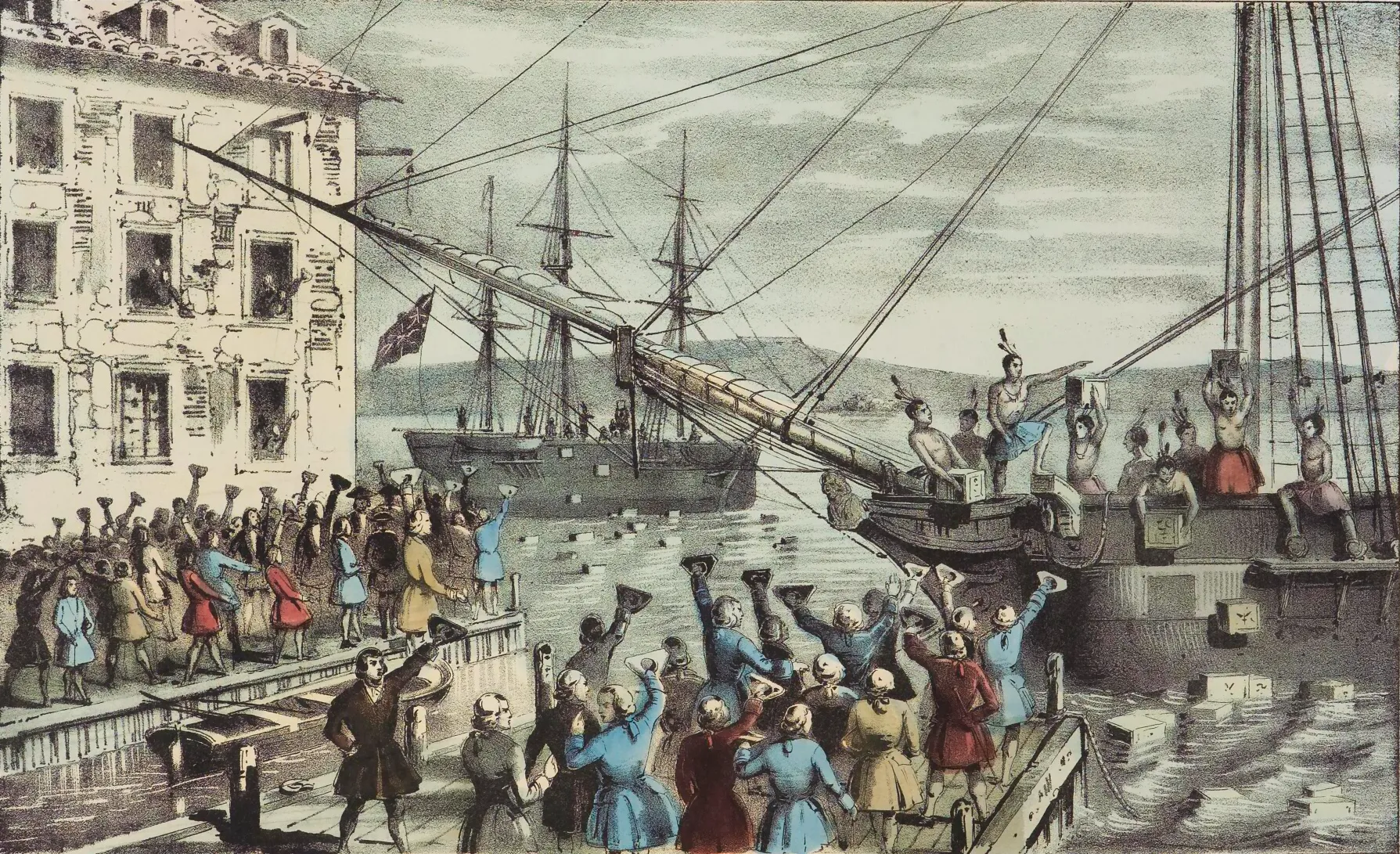
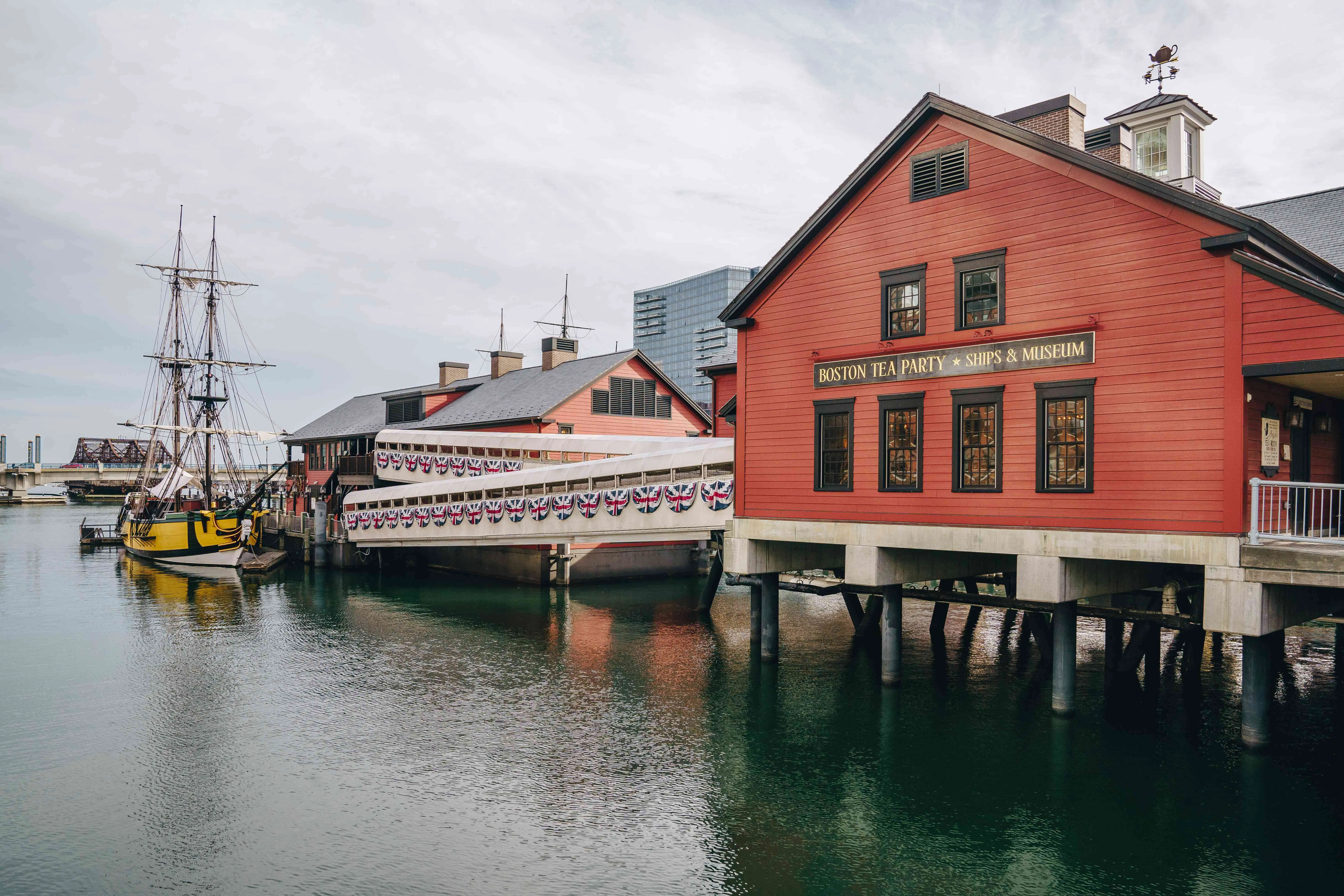
Boston’s story begins as a colonial port where timber, rum, and ideas flowed across the Atlantic. The cobbled streets of the North End and the narrow alleys off the waterfront hold the echoes of merchants, sailors, and politicians who argued fiercely over taxation and self-government. The Freedom Trail stitches together the sites of that debate: meetinghouses, courthouses, and halls where pamphlets, protests, and Boston’s distinctive political culture were born.
The hop-on hop-off route lets you step down into those layers: stand where citizens gathered to demand representation, see where tea was tossed into the harbor, and imagine the city as it looked in the 18th century—compact, maritime, and always hungry for news. Yet Boston never stopped changing; these same streets later absorbed waves of immigrants, industry, and ideas that remade the city layer by layer.
Historic Downtown & Faneuil Hall
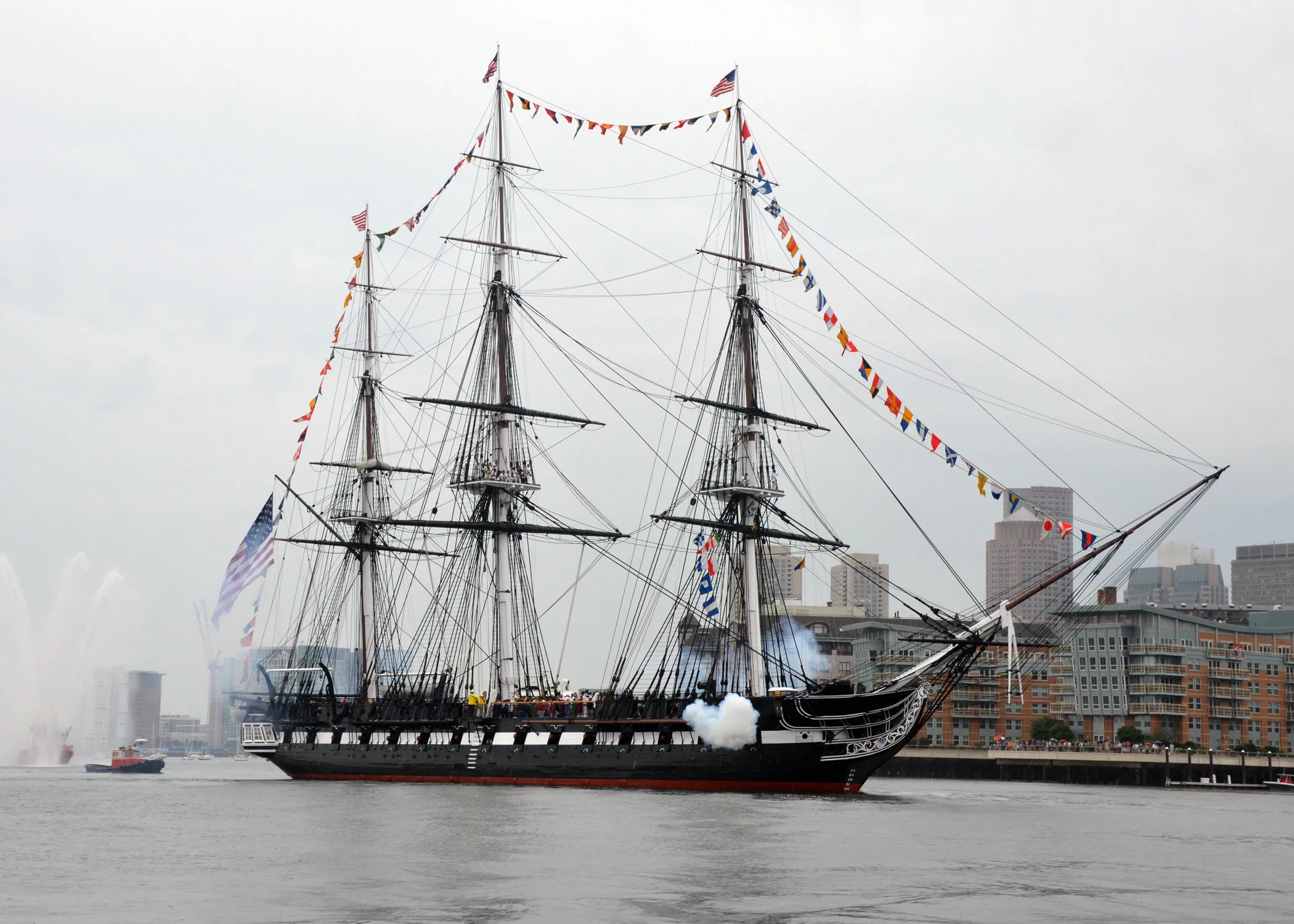
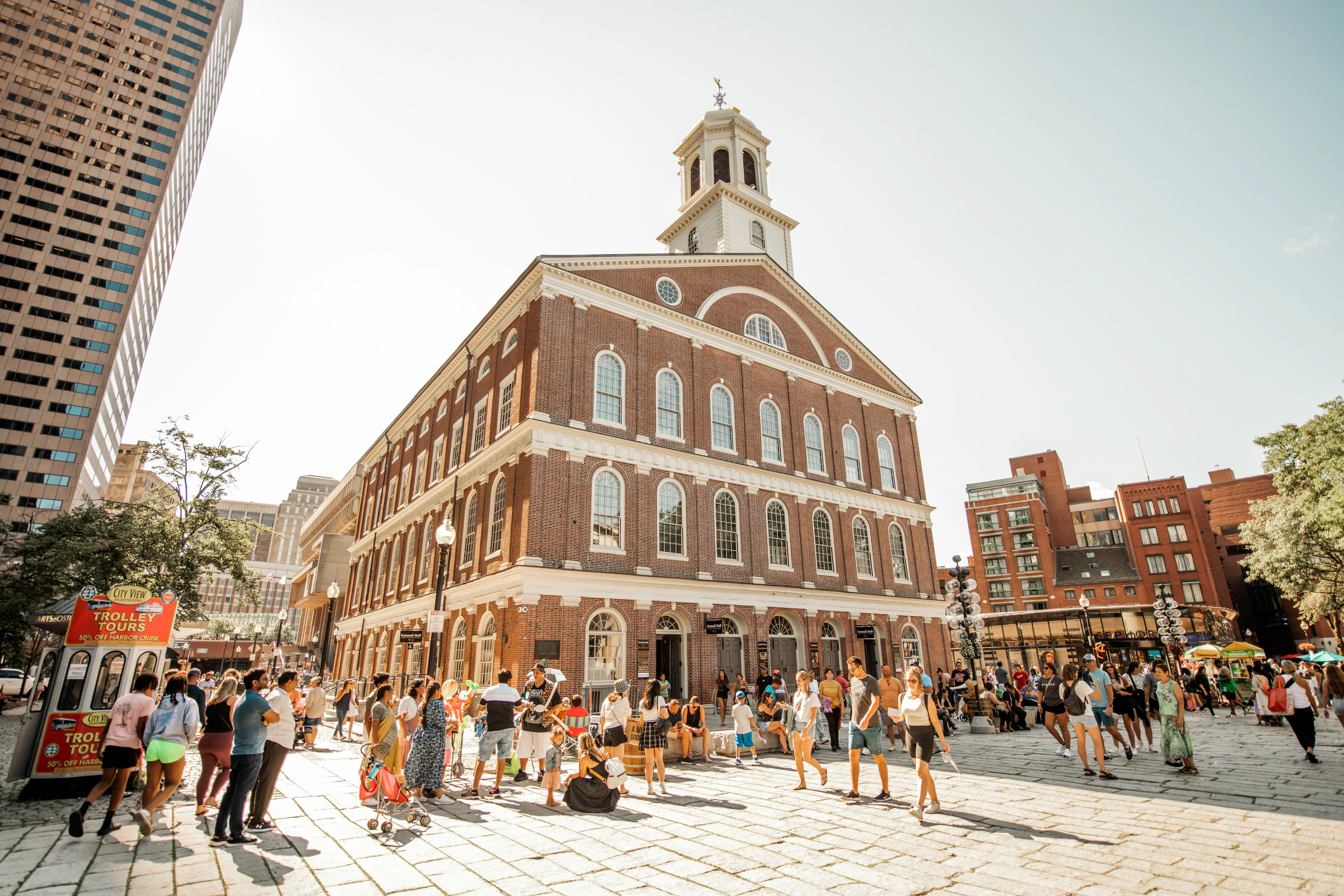
Historic Downtown centers on Faneuil Hall and Quincy Market—the market’s stalls and the surrounding streets have been a lively meeting place for commerce and conversation for centuries. The Old State House stands a short walk away, a building that once hosted fiery debates and now anchors the Freedom Trail.
From the bus you’ll glimpse merchants and street performers, modern cafes tucked into old facades, and a patchwork of architecture that reflects Boston’s long civic life. Hop off to explore the market or follow the Freedom Trail markers to dig deeper into the city’s revolutionary past.
Markets, neighborhoods & daily trade
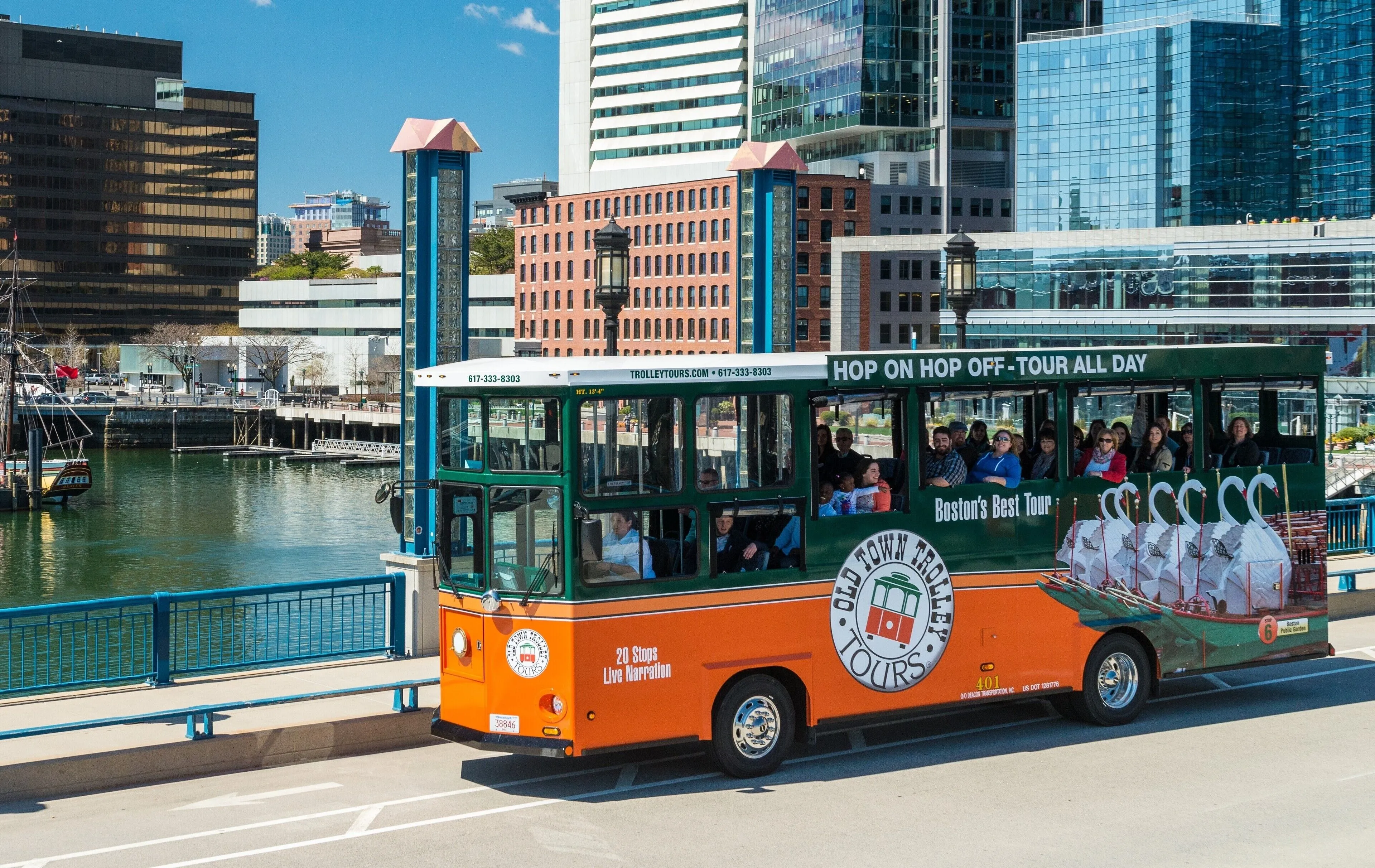
Quincy Market and the stalls around Faneuil Hall have long been the city’s social and commercial heart, where merchants hawked goods and where residents still come to meet, shop, and eat. Nearby neighborhoods—like the North End’s bakeries and the Back Bay’s boutiques—offer a contrast of daily rhythms and tastes.
From the upper deck you’ll see delivery trucks, harbor cranes, and locals moving between work and home. Hop off to sample clam chowder, browse independent shops on Newbury Street, or follow a food-focused walking route in the North End.
Across the River: Cambridge & the Universities
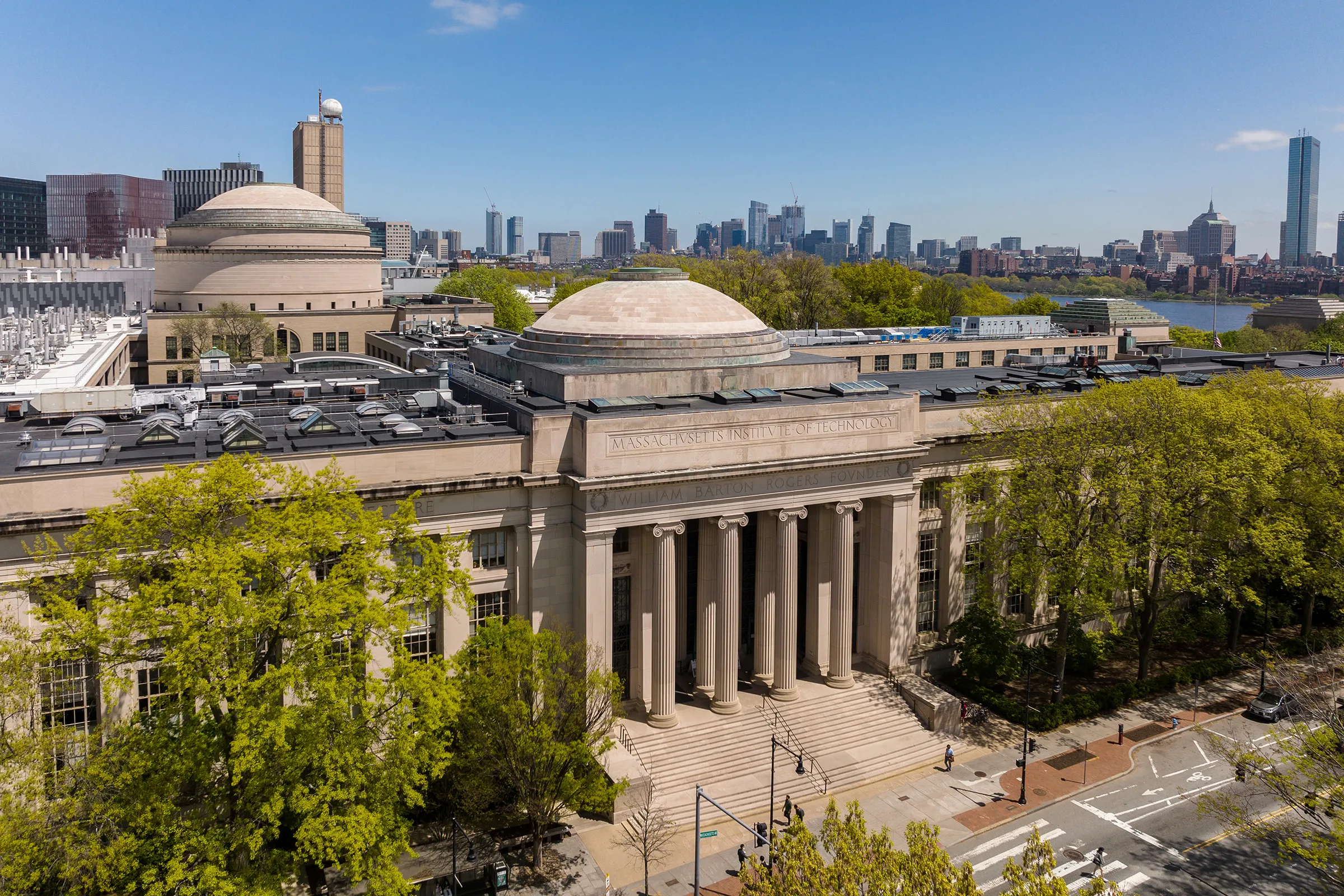
A short trip across the Charles brings you to Cambridge, home to Harvard and MIT—institutions that shaped American higher education and global innovation. The neighborhoods here hum with student life, bookstores, and coffee shops where scholars and entrepreneurs cross paths.
If your pass includes connecting services, hop off in Harvard Square to wander the Yard and feel the collegiate atmosphere, or pause by the river to watch rowers glide past—Cambridge offers a contrasting, collegiate flavor to Boston’s commercial core.
Palaces? Think Brownstones, Parks & the River
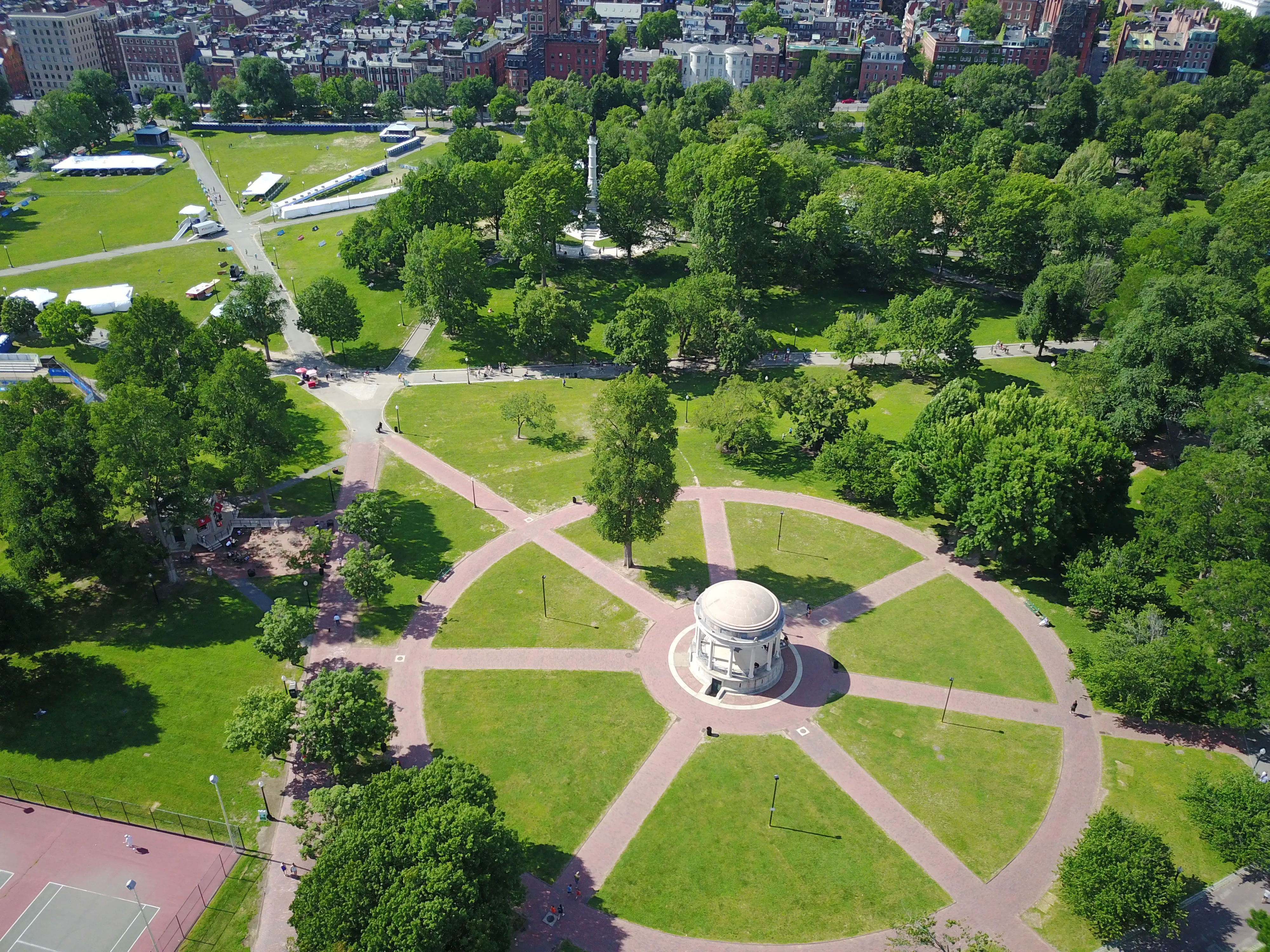
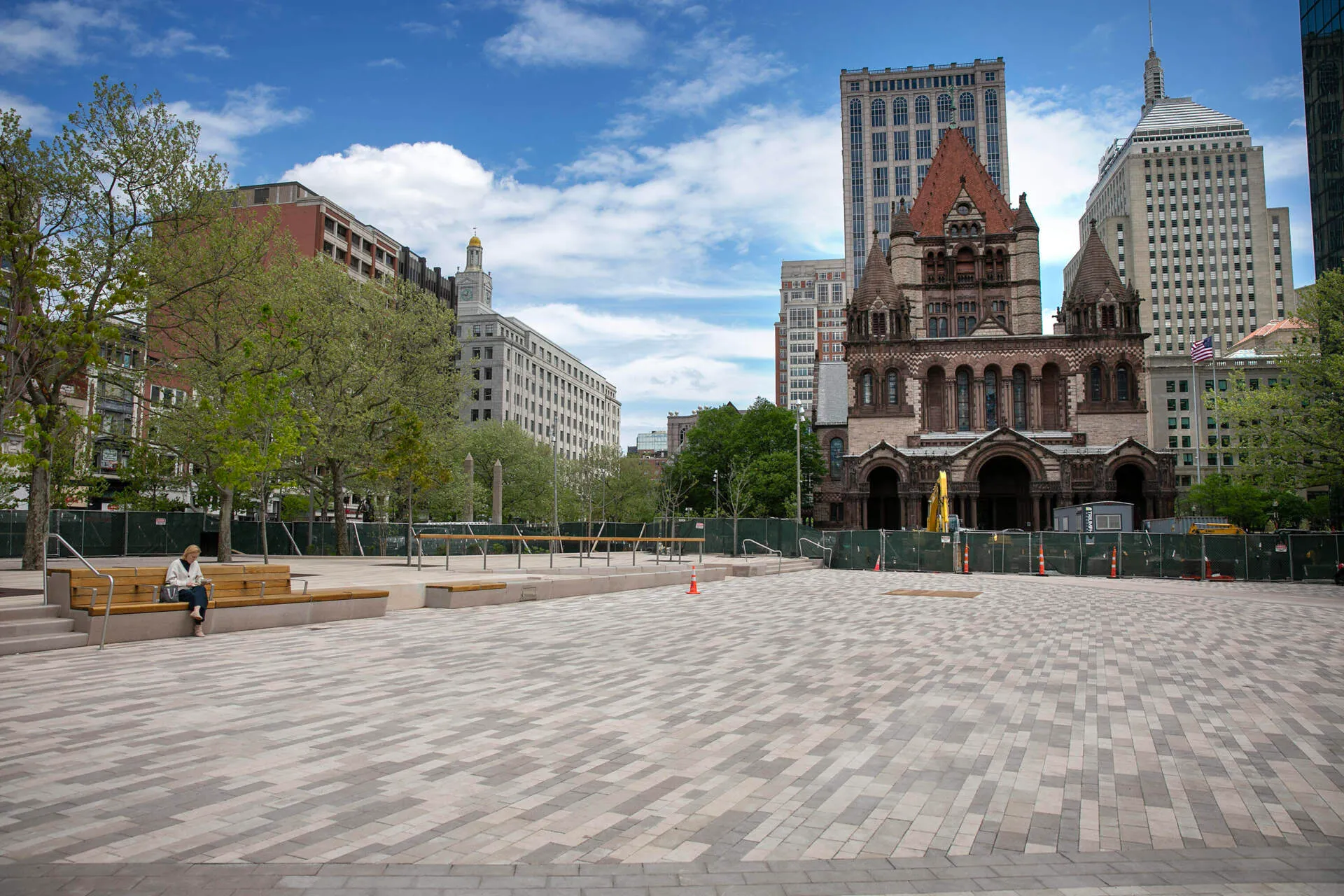
Instead of royal palaces, Boston offers elegant brownstones, landscaped parks, and civic buildings—Trinity Church and the Public Library are cultural landmarks in Back Bay’s refined streets.
Along the Charles River and the Esplanade you’ll find runners, kayaks, and picnic-goers—public space that feels like the city’s living room. The hop-on hop-off route brings you close to these calmer stretches for a mix of urban and natural scenery.
Modern Boston: Seaport & Innovation District
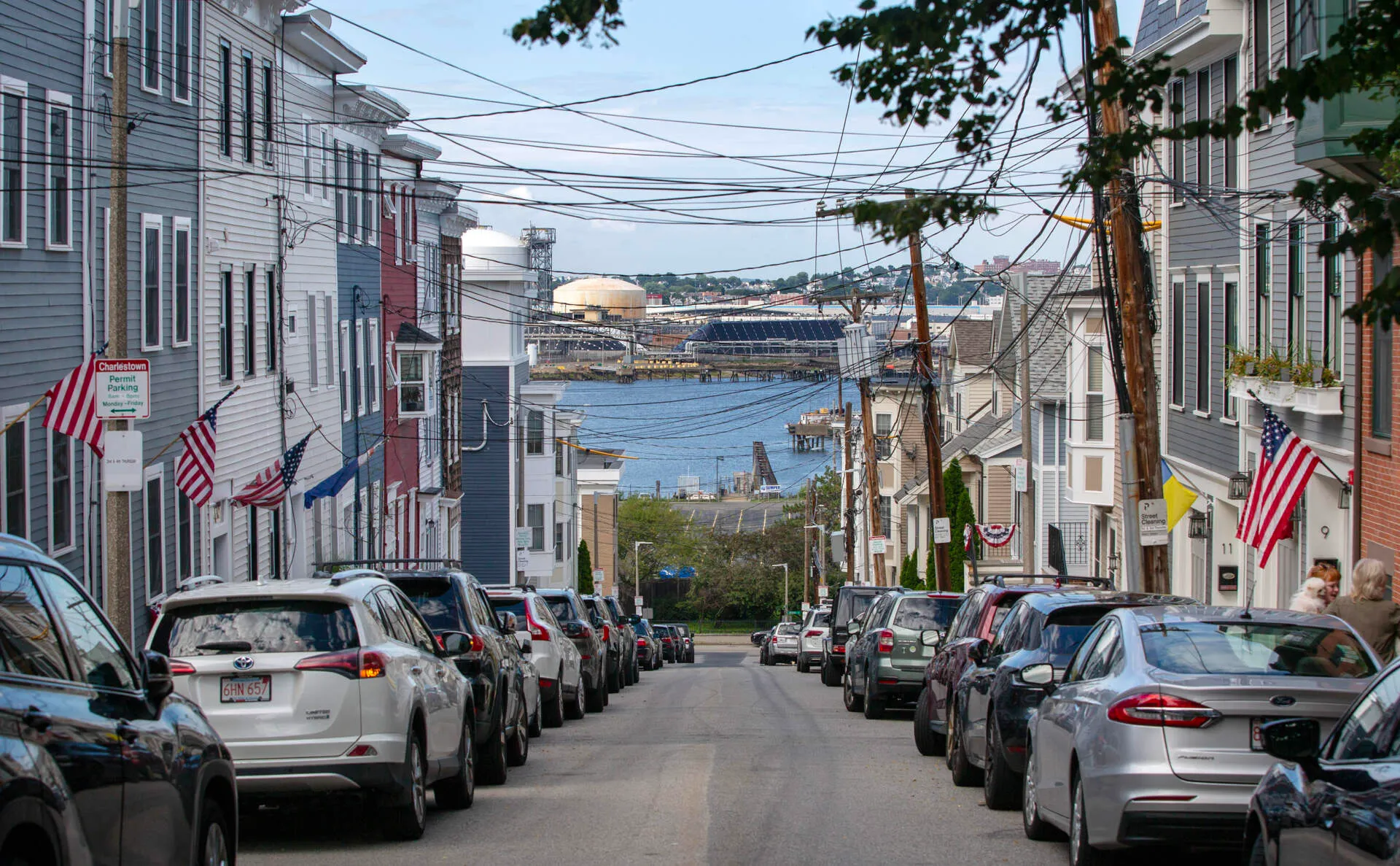
The Seaport and Innovation District showcase Boston’s modern face: glass towers, tech startups, and trendy restaurants cluster along reclaimed waterfront land. This area is a lively contrast to the historic core and is a great place to explore contemporary dining and design.
From the bus you’ll see cranes, modern plazas, and public art installations—hop off to sample the Seaport’s restaurants or attend a waterfront event before rejoining the route.
Crossing the River: Ferries & the Harbor
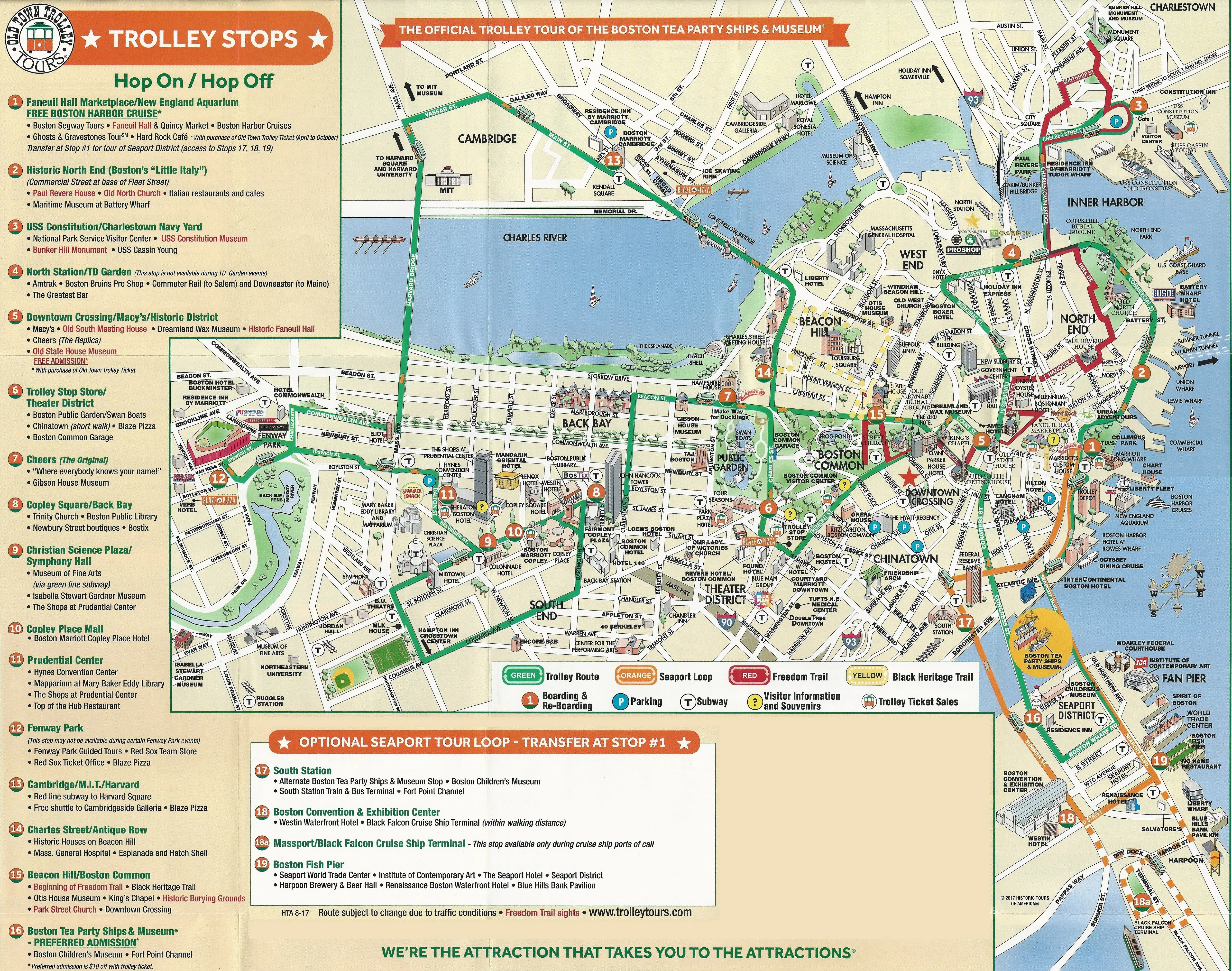
Boston’s harbor and ferry network have always linked the city to its islands and neighboring towns. Combining a bus loop with a short harbor cruise or ferry hop to the Boston Harbor Islands offers a refreshing seaside perspective on the city’s history and skyline.
Whether you choose a quick ferry to Charlestown or a longer boat trip, the water shows Boston as both a maritime port and a recreational playground—pairing the bus with a boat ride is one of the most enjoyable ways to spend a day.
Crowds, safety & accessibility
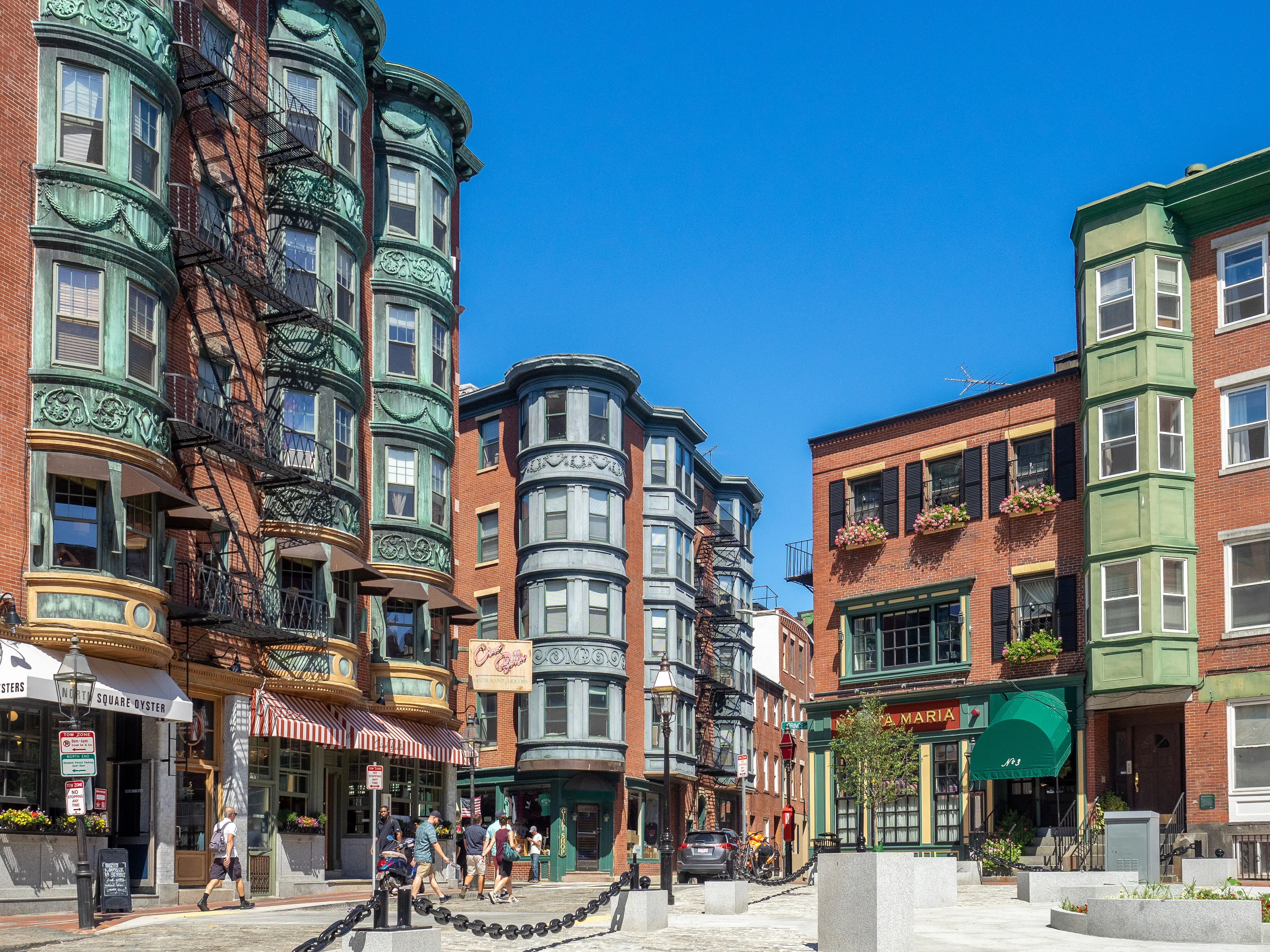
Boston is a busy city at peak times—tourist hubs, university terms, and Red Sox games bring crowds. Keep valuables secure, watch for traffic when reboarding, and follow staff instructions for safe boarding on busy streets.
Many operators offer accessible vehicles with low-floor boarding and space on the lower deck, but accessibility at every stop can vary. If step-free access is essential, contact the operator ahead of time to confirm suitable routes and stops.
Festivals, sports & civic rituals
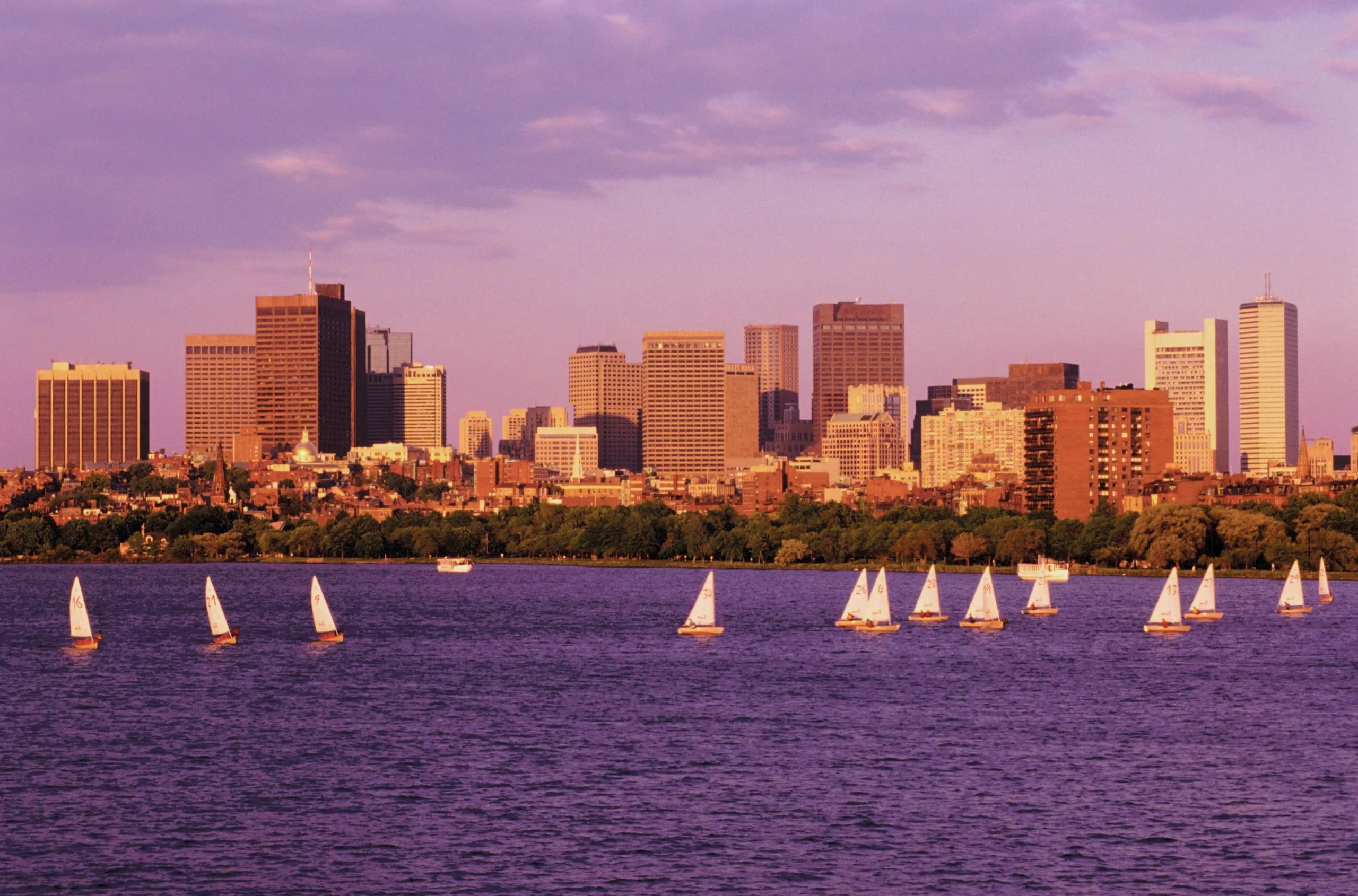
Boston’s calendar is packed: marathon weekend, St. Patrick’s Day parades, Pride celebrations, food festivals, and college events draw locals and visitors alike. The bus route may be altered for parades or security for major events, so check notices on event days.
On any given day you’ll see small rituals too—rowers on the Charles, neighborhood farmers’ markets, and fans gathering around Fenway. Hop off to join these moments and you’ll feel the city’s civic energy up close.
Tickets, passes & smart planning
Compare providers and packages: some passes are simple, single-route tickets, while others bundle harbor cruises or museum entries. Read inclusions carefully—especially where timed entries are concerned.
If you’re short on time, a 24‑hour pass gives a compact overview; with more time, add a harbor cruise or museum to fill a full day. Plan hop-offs around meal times and any timed museum bookings to avoid backtracking.
Preserving heritage in a changing city
Boston balances careful preservation with growth. Landmark districts, restored maritime buildings, and strict preservation rules protect many historic streets, while the city also encourages sensitive development that brings new life and jobs.
Using official tours and buying tickets at trusted vendors helps support conservation efforts; thoughtful tourism lets residents and visitors share the city’s story without overwhelming fragile streets and historic sites.
Side trips & harbor viewpoints
Many visitors pair the bus with a harbor ferry to the Boston Harbor Islands, a short trip to Charlestown for the USS Constitution, or a quick ride to Cambridge for a stroll through Harvard Square.
On a clear day the water reveals long views of the skyline and the bridges—the harbor perspective rounds out the city’s story and is well worth a late-afternoon detour.
Why a bus ride tells Boston’s story
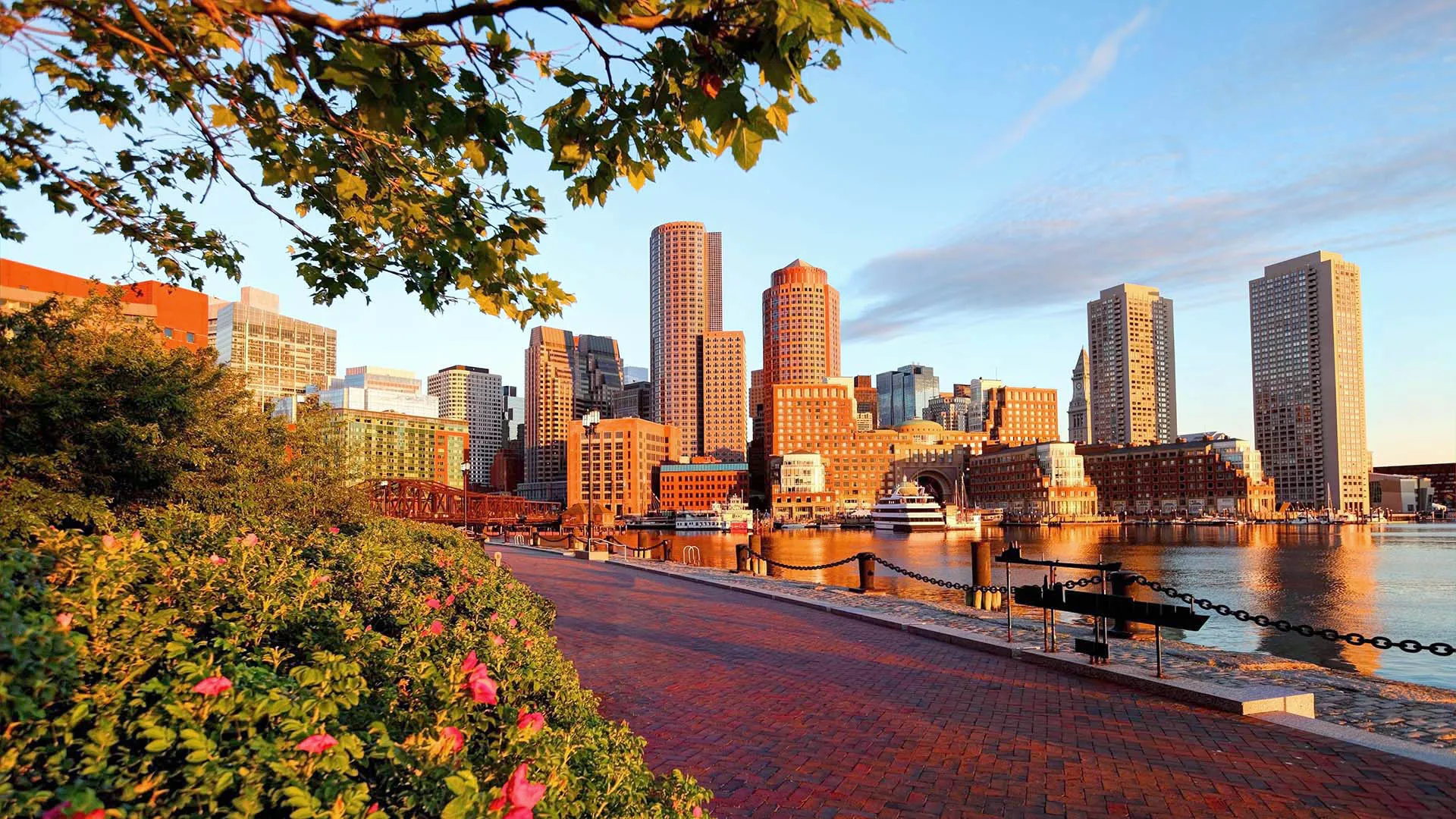
A bus ride in Boston stitches together civic drama, immigrant neighborhoods, collegiate life, and waterfront commerce—each stop is a stanza in a long civic poem.
By day’s end you’ll have a layered sense of place: historic markers, local markets, leafy parks, and modern waterfronts woven into a single memory. The hop-on hop-off format gives you the freedom to linger and the structure to keep exploring.
Table of Contents
Colonial Boston & the Freedom Trail
Boston’s story begins as a colonial port where timber, rum, and ideas flowed across the Atlantic. The cobbled streets of the North End and the narrow alleys off the waterfront hold the echoes of merchants, sailors, and politicians who argued fiercely over taxation and self-government. The Freedom Trail stitches together the sites of that debate: meetinghouses, courthouses, and halls where pamphlets, protests, and Boston’s distinctive political culture were born.
The hop-on hop-off route lets you step down into those layers: stand where citizens gathered to demand representation, see where tea was tossed into the harbor, and imagine the city as it looked in the 18th century—compact, maritime, and always hungry for news. Yet Boston never stopped changing; these same streets later absorbed waves of immigrants, industry, and ideas that remade the city layer by layer.
Historic Downtown & Faneuil Hall
Historic Downtown centers on Faneuil Hall and Quincy Market—the market’s stalls and the surrounding streets have been a lively meeting place for commerce and conversation for centuries. The Old State House stands a short walk away, a building that once hosted fiery debates and now anchors the Freedom Trail.
From the bus you’ll glimpse merchants and street performers, modern cafes tucked into old facades, and a patchwork of architecture that reflects Boston’s long civic life. Hop off to explore the market or follow the Freedom Trail markers to dig deeper into the city’s revolutionary past.
Markets, neighborhoods & daily trade
Quincy Market and the stalls around Faneuil Hall have long been the city’s social and commercial heart, where merchants hawked goods and where residents still come to meet, shop, and eat. Nearby neighborhoods—like the North End’s bakeries and the Back Bay’s boutiques—offer a contrast of daily rhythms and tastes.
From the upper deck you’ll see delivery trucks, harbor cranes, and locals moving between work and home. Hop off to sample clam chowder, browse independent shops on Newbury Street, or follow a food-focused walking route in the North End.
Across the River: Cambridge & the Universities
A short trip across the Charles brings you to Cambridge, home to Harvard and MIT—institutions that shaped American higher education and global innovation. The neighborhoods here hum with student life, bookstores, and coffee shops where scholars and entrepreneurs cross paths.
If your pass includes connecting services, hop off in Harvard Square to wander the Yard and feel the collegiate atmosphere, or pause by the river to watch rowers glide past—Cambridge offers a contrasting, collegiate flavor to Boston’s commercial core.
Palaces? Think Brownstones, Parks & the River
Instead of royal palaces, Boston offers elegant brownstones, landscaped parks, and civic buildings—Trinity Church and the Public Library are cultural landmarks in Back Bay’s refined streets.
Along the Charles River and the Esplanade you’ll find runners, kayaks, and picnic-goers—public space that feels like the city’s living room. The hop-on hop-off route brings you close to these calmer stretches for a mix of urban and natural scenery.
Modern Boston: Seaport & Innovation District
The Seaport and Innovation District showcase Boston’s modern face: glass towers, tech startups, and trendy restaurants cluster along reclaimed waterfront land. This area is a lively contrast to the historic core and is a great place to explore contemporary dining and design.
From the bus you’ll see cranes, modern plazas, and public art installations—hop off to sample the Seaport’s restaurants or attend a waterfront event before rejoining the route.
Crossing the River: Ferries & the Harbor
Boston’s harbor and ferry network have always linked the city to its islands and neighboring towns. Combining a bus loop with a short harbor cruise or ferry hop to the Boston Harbor Islands offers a refreshing seaside perspective on the city’s history and skyline.
Whether you choose a quick ferry to Charlestown or a longer boat trip, the water shows Boston as both a maritime port and a recreational playground—pairing the bus with a boat ride is one of the most enjoyable ways to spend a day.
Crowds, safety & accessibility
Boston is a busy city at peak times—tourist hubs, university terms, and Red Sox games bring crowds. Keep valuables secure, watch for traffic when reboarding, and follow staff instructions for safe boarding on busy streets.
Many operators offer accessible vehicles with low-floor boarding and space on the lower deck, but accessibility at every stop can vary. If step-free access is essential, contact the operator ahead of time to confirm suitable routes and stops.
Festivals, sports & civic rituals
Boston’s calendar is packed: marathon weekend, St. Patrick’s Day parades, Pride celebrations, food festivals, and college events draw locals and visitors alike. The bus route may be altered for parades or security for major events, so check notices on event days.
On any given day you’ll see small rituals too—rowers on the Charles, neighborhood farmers’ markets, and fans gathering around Fenway. Hop off to join these moments and you’ll feel the city’s civic energy up close.
Tickets, passes & smart planning
Compare providers and packages: some passes are simple, single-route tickets, while others bundle harbor cruises or museum entries. Read inclusions carefully—especially where timed entries are concerned.
If you’re short on time, a 24‑hour pass gives a compact overview; with more time, add a harbor cruise or museum to fill a full day. Plan hop-offs around meal times and any timed museum bookings to avoid backtracking.
Preserving heritage in a changing city
Boston balances careful preservation with growth. Landmark districts, restored maritime buildings, and strict preservation rules protect many historic streets, while the city also encourages sensitive development that brings new life and jobs.
Using official tours and buying tickets at trusted vendors helps support conservation efforts; thoughtful tourism lets residents and visitors share the city’s story without overwhelming fragile streets and historic sites.
Side trips & harbor viewpoints
Many visitors pair the bus with a harbor ferry to the Boston Harbor Islands, a short trip to Charlestown for the USS Constitution, or a quick ride to Cambridge for a stroll through Harvard Square.
On a clear day the water reveals long views of the skyline and the bridges—the harbor perspective rounds out the city’s story and is well worth a late-afternoon detour.
Why a bus ride tells Boston’s story
A bus ride in Boston stitches together civic drama, immigrant neighborhoods, collegiate life, and waterfront commerce—each stop is a stanza in a long civic poem.
By day’s end you’ll have a layered sense of place: historic markers, local markets, leafy parks, and modern waterfronts woven into a single memory. The hop-on hop-off format gives you the freedom to linger and the structure to keep exploring.